Tank & plant engineering
Lamella clarification & plant engineering
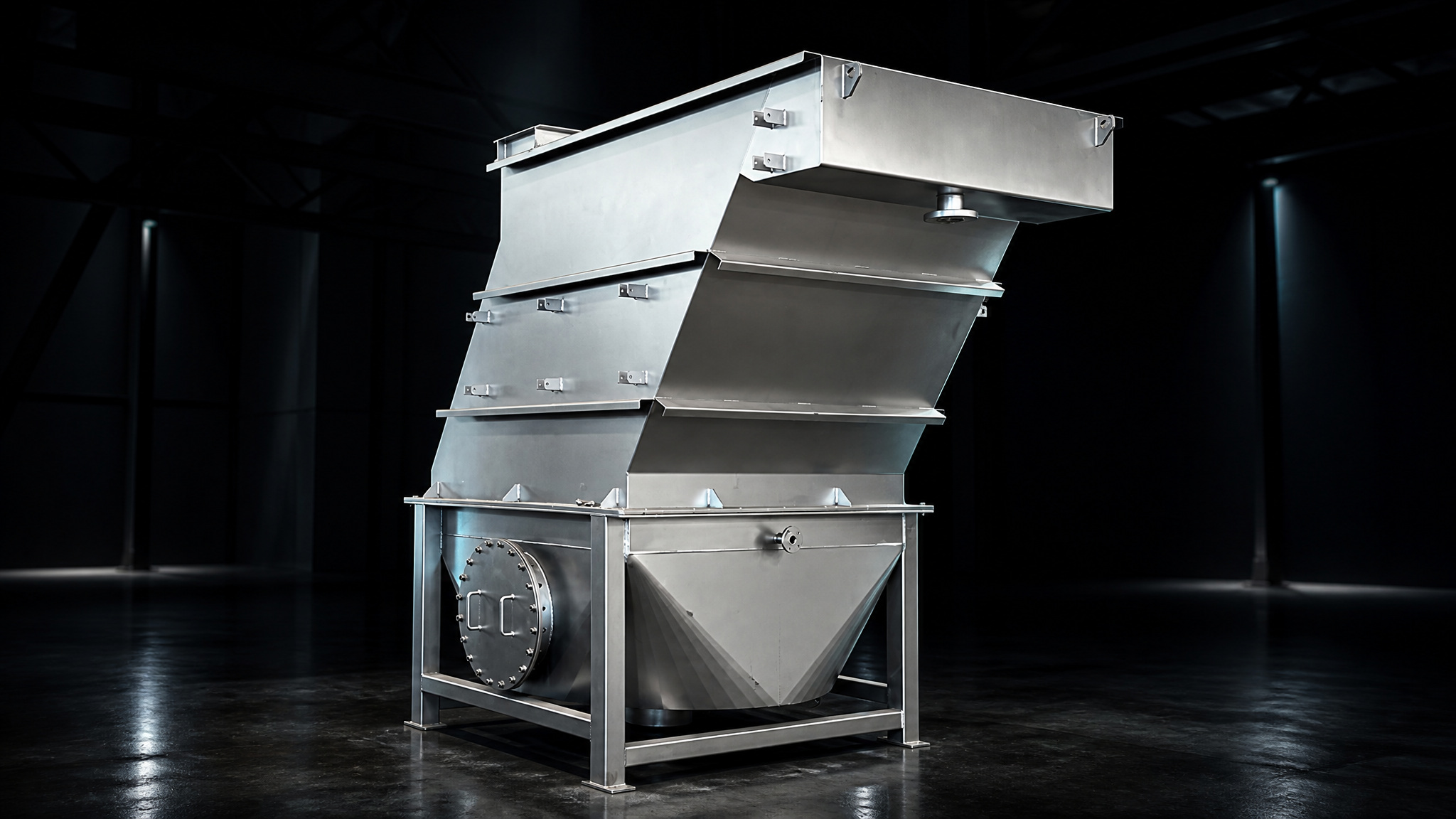
A lamella settler does the work of a much larger clarifier in a fraction of the footprint. A stack of inclined plates multiplies the effective settling area, so dense solids separate in a compact tank instead of a large basin.
Around that core, plant engineering ties everything together: stainless-steel tanks sized to the process, pressure vessels where needed, and complete skid- or container-built units that arrive pre-assembled and ready to run.
In brief
Lamella clarification uses inclined plates to multiply the effective settling area, achieving the separation of a large clarifier in a compact tank — the basis for space-saving clarification and custom-built treatment plants.
The challenges this solves
Clarification where there is no space
A conventional clarifier needs a large footprint. Lamella plates deliver the same effective settling area in a fraction of the space — decisive on constrained sites.
Durable materials for aggressive water
Chlorides, pH swings and abrasive solids attack the wrong material. Correct stainless-steel selection and sound welds decide whether a tank lasts years or fails early.
Fast, low-risk deployment
Site-built construction is slow and disruptive. Skid- and container-built plants shift the work into the workshop and arrive tested, cutting installation time and risk.
Technologies we apply
Lamella separators
Inclined-plate settlers that concentrate the effective settling area into a compact clarifier — ideal for dense, fast-settling solids and for retrofits where space is tight.
View equipmentStainless-steel tanks
Process tanks fabricated in the right stainless grade for the water chemistry, with welds and detailing designed for a long service life.
View equipmentPressure vessels
Code-compliant pressure vessels for saturation, filtration and process duties, built to the required standard and material.
View equipmentCustom & containerised plants
Complete treatment plants engineered to your process and delivered on a skid or in a container — pre-assembled, tested and quick to commission.
View equipmentWhat is achievable
Performance depends on the solids and the plate geometry. The ranges below are indicative and are confirmed by settling tests and detailed design.
| Parameter | Typical range |
|---|---|
| Footprint vs. conventional clarifier | a fraction, for equivalent settling area |
| Effective settling area multiplier | high, via inclined plates |
| Suitable solids | dense, fast-settling flocs |
| Construction | stainless steel, skid or container |
| Delivery | pre-assembled, workshop-tested |
How we size it
A lamella clarifier and its tankage are sized on hydraulic load, solids settleability and the space available. The inputs we need are:
Key sizing inputs
- Average and peak flow
- Solids concentration and settling behaviour
- Required effluent clarity
- Water chemistry (chlorides, pH) for material choice
- Site constraints and whether a skid/container is preferred
Rent or pilot first
For temporary clarification or a proof of concept, a compact skid-mounted unit can be deployed quickly and later replaced by a permanent, custom-built plant.
Rent or pilot firstRelated reading
Frequently asked questions
When is a lamella settler the right choice?
When the solids are dense and settle well but there is no room for a full-size clarifier. For light or non-settling material, flotation is usually the better fit.
Which stainless steel should a tank be built from?
It depends on chlorides, pH and temperature. The wrong grade fails early; we select the grade and weld detailing for your specific water.
Skid, container or site-built?
Skid and container plants arrive pre-assembled and tested, cutting installation time and risk. Site-built makes sense mainly for very large or highly bespoke plants.
Can you engineer a complete custom plant?
Yes — from the process design through tanks, vessels and controls to a pre-assembled, tested unit ready to commission.
Engineering Hub: get this sized for your plant
Describe your goal, effluent limit or sludge volume and receive a technology shortlist plus a sizing proposal – by email, no phone call required.