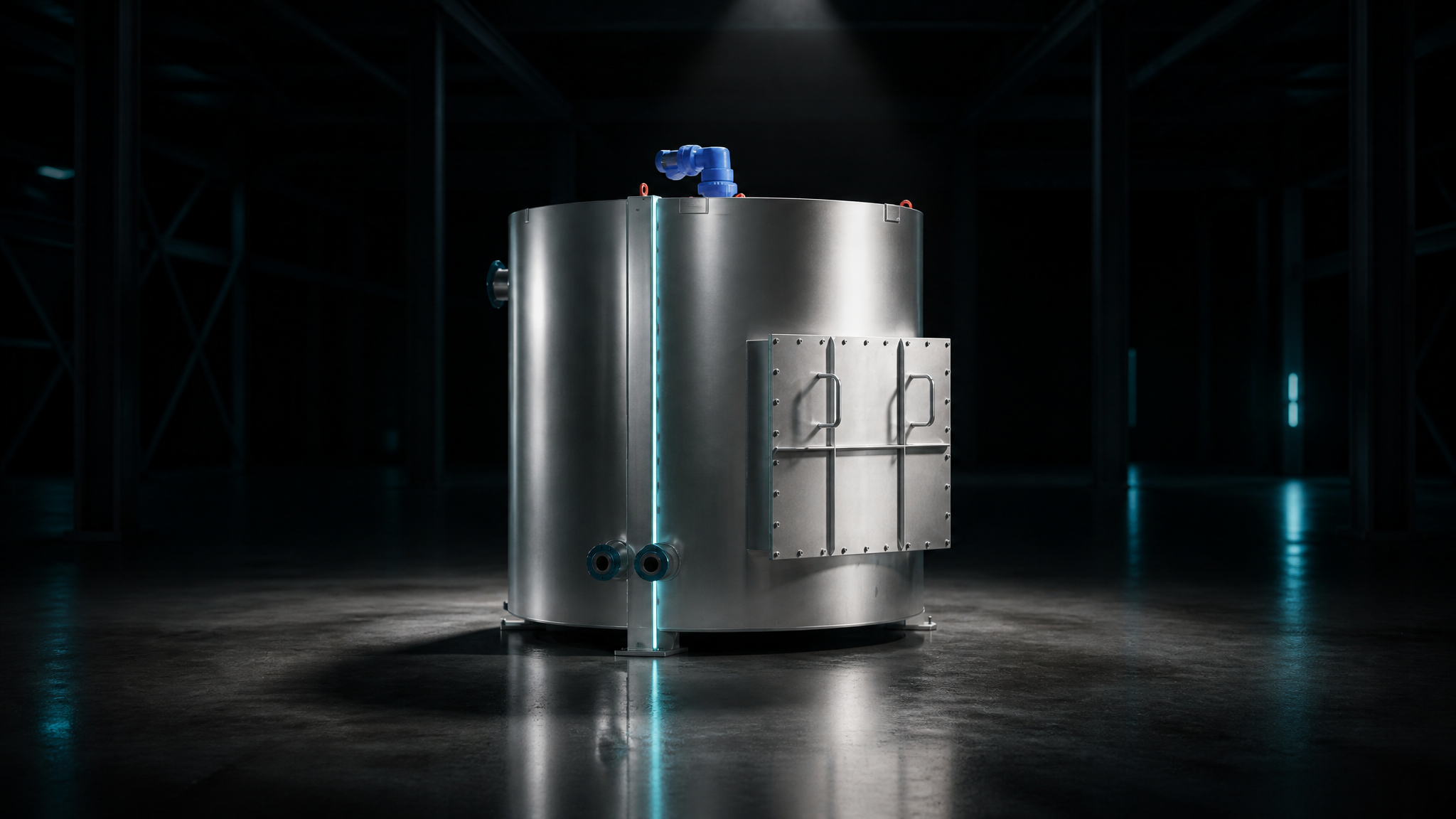
Biofouling and blinding of filter cloth media are common challenges in tertiary filtration systems. These issues can reduce filtration performance, increase operating costs, and require more frequent maintenance. Understanding the causes and implementing effective cleaning strategies are essential for reliable operation of pile cloth media filtration.
Biofilm growth, grease accumulation, and fibre entrapment are the main contributors to filter cloth fouling. Operators should monitor for early warning signs and follow best practices for cleaning and prevention to ensure stable tertiary filtration performance.
Engineering Hub: get this sized for your plant
Describe your goal, effluent limit or sludge volume and receive a technology shortlist plus a sizing proposal – by email, no phone call required.
Mechanisms of Biofouling and Blinding
Biofouling refers to the accumulation of microorganisms (biofilm) on the surface and within the pile of filter cloth. Over time, bacteria and other microbes attach to the fibres, forming a slimy matrix that can reduce permeability. In parallel, grease, oils, and fibrous materials (such as hair or textile fibres) can lodge within the cloth pile, creating blinding that further impedes water flow.
Blinding and biofouling typically develop due to:
- High organic or grease loads in the influent
- Elevated suspended solids, especially fine fibres
- Insufficient or ineffective backwashing
- Extended filtration cycles without cleaning
The result is a gradual increase in resistance to flow, leading to higher differential levels and shorter filtration cycles.
Filter Cloth Fouling
- Main Fouling Types
- Typical Causes
- Biofilm (biofouling)
- Microbial growth, high organic load
- Grease/fibre blinding
- Fats, oils, textile fibres, poor scum removal
Warning Signs of Biofouling and Blinding
Operators should regularly monitor the following indicators of filter cloth fouling:
- Rising differential water level across the filter unit (often from 20-40 cm up to 60 cm or more)
- Reduced filtration cycle times (e.g., from 60-90 min to 20-30 min)
- Increased backwash frequency without corresponding improvement in performance
- Visible slime, discoloration, or matting on the cloth surface
A gradual decline in filtrate quality may also signal the onset of blinding or biofilm buildup.
Routine Backwash Logic and Effectiveness
Routine backwash is the primary cleaning mechanism for pile cloth media filtration. Most systems use an air or water backwash (sometimes both), triggered by a preset differential level or elapsed filtration time. Typical backwash velocities range from roughly 4-10 m³/(m²·h), with durations of 1-3 minutes per segment.
Backwash removes most loose solids and some loosely bound biofilm. However, it is less effective against established biofilms or grease/fibre mats. Operators should verify that:
- Backwash intervals are optimized for influent load and filter type
- Backwash flow and pressure are within design ranges
- Nozzle alignment and distribution are uniform across the filter area
If backwash alone cannot restore performance, enhanced cleaning may be required.
Periodic Chemical and Enhanced Cleaning Approaches
Periodic chemical or enhanced cleaning is necessary when biofouling or blinding persist despite routine backwash. Common approaches include:
- Oxidizing agents (e.g., sodium hypochlorite) to break down biofilm
- Surfactants or mild detergents for grease and oil removal
- Hot water or steam cleaning for thermal disruption of biofilm
- Manual brushing or low-pressure washing for physical removal
Cleaning intervals vary from monthly to annually, depending on influent characteristics and operational history.
| Cleaning Agent | Typical Dose | Contact Time |
|---|---|---|
| Sodium hypochlorite | 500-1000 mg/L | 30-60 min |
| Surfactant | 0.1-0.5 % | 30-60 min |
| Hot water | 60-80°C | 10-30 min |
Care must be taken to ensure chemical compatibility with the filter cloth material. Most modern pile cloths are made from polyester or polyamide, which tolerate mild oxidants and surfactants but may degrade with strong acids or prolonged high-temperature exposure.
Preventive Operating Practices
Preventing filter cloth biofouling and blinding is more effective than frequent remedial cleaning. Key preventive measures include:
- Optimizing primary and secondary treatment to reduce solids and grease load
- Maintaining regular and effective backwash cycles
- Monitoring influent for sudden changes in load or composition
- Periodically inspecting filter cloth condition and surface appearance
- Implementing scum removal or grease traps upstream if needed
Routine operator training and record-keeping help identify trends and address issues before major fouling occurs.
Preventive Actions
- Verify primary/secondary clarifier performance
- Check and adjust backwash settings regularly
- Inspect cloth for visible fouling monthly
- Respond promptly to rising differential levels
Materials Compatibility Considerations
Before applying any chemical or thermal cleaning method, confirm compatibility with the specific filter cloth material. Most pile cloths used in tertiary filtration are made from:
- Polyester (PET): good chemical resistance, moderate heat tolerance
- Polyamide (PA): higher temperature resistance, slightly less chemical resistance
Avoid strong acids, strong alkalis, and oxidants at concentrations or temperatures beyond manufacturer recommendations. Prolonged exposure to high temperatures (>90°C) or harsh chemicals can degrade pile structure and shorten filter life.
How can I tell if my filter cloth is biofouled or blinded?+
Look for rising differential levels, shorter filtration cycles, and visible slime or matting on the cloth.
How often should chemical cleaning be performed?+
Frequency depends on influent load and backwash effectiveness, but typically ranges from monthly to annually.
What chemicals are safe for cleaning filter cloth?+
Mild oxidants (e.g., diluted sodium hypochlorite) and surfactants are commonly used, but always check compatibility with your cloth material.
Can backwash alone prevent biofouling?+
Routine backwash is essential but may not remove established biofilm or grease mats; periodic enhanced cleaning is often needed.
What preventive steps can reduce fouling risk?+
Optimizing upstream treatment, maintaining proper backwash, and regular inspection are key preventive measures.