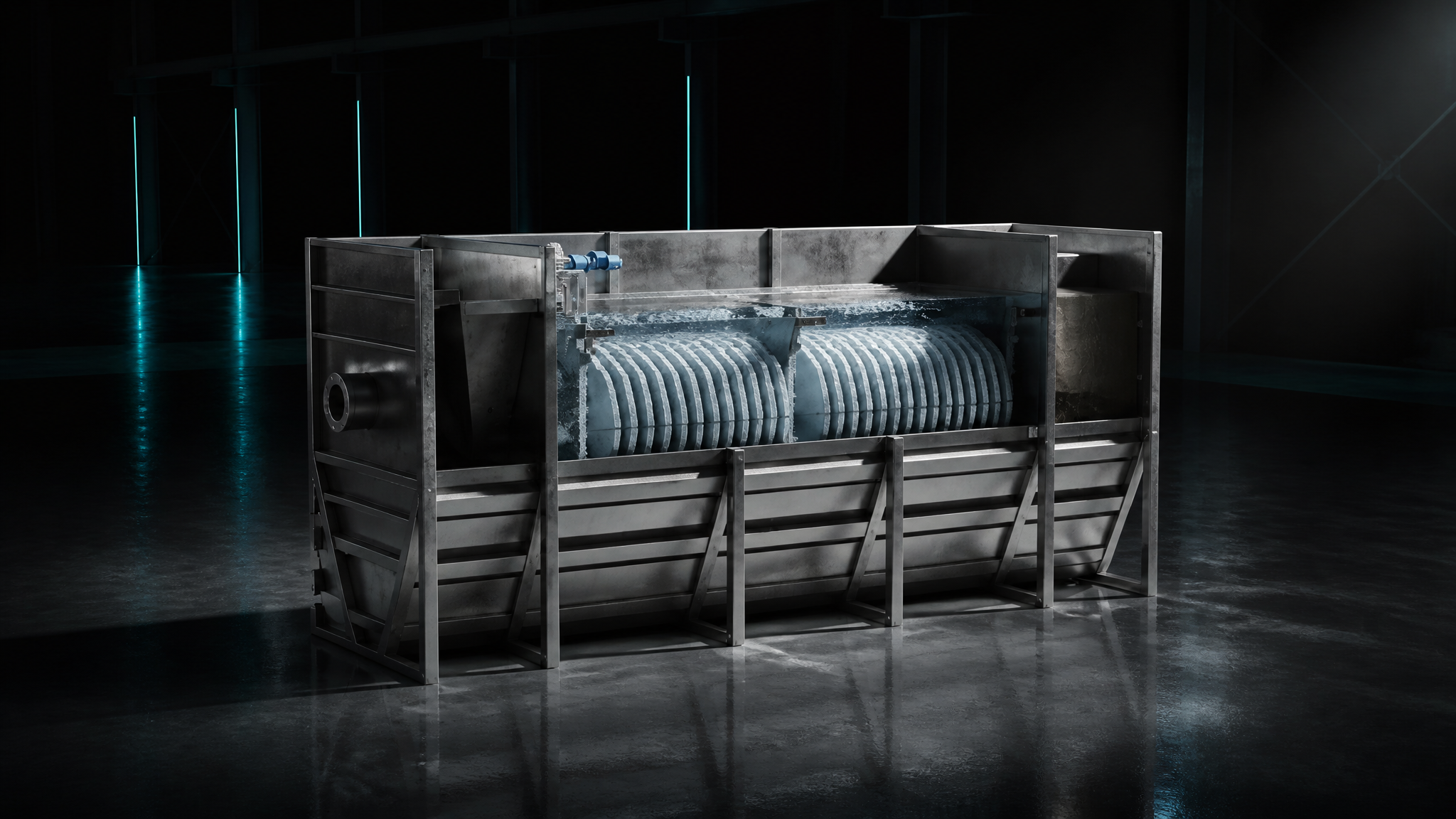
Pile cloth filter media are widely used in tertiary wastewater filtration and polishing applications due to their robust solids separation and long service intervals. The typical service life of pile cloth filter media ranges from several years up to a decade, depending on operating conditions, solids loading, and maintenance practices. Operators should monitor for specific wear indicators to determine the optimal replacement interval and maintain reliable filtration performance.
The longevity of pile cloth filter media is influenced by mechanical, chemical, and operational factors. Understanding these mechanisms and adopting regular inspection protocols helps maximize service life and avoid unplanned downtime.
Engineering Hub: get this sized for your plant
Describe your goal, effluent limit or sludge volume and receive a technology shortlist plus a sizing proposal – by email, no phone call required.
Wear Mechanisms in Pile Cloth Media
Pile cloth filter media are constructed from synthetic fibers arranged in a pile structure, providing depth filtration and high solids retention. Over time, several wear mechanisms can affect filter performance:
- Mechanical abrasion: Repeated cleaning cycles, especially with high-pressure backwash or suction, gradually wear down the pile fibers, reducing effective pile height and filtration capacity.
- Chemical degradation: Exposure to aggressive cleaning chemicals or high concentrations of oxidants can weaken fibers and cause embrittlement.
- Irreversible blinding: Accumulation of fine particles, fats, oils, or biological growth can clog the pile, resulting in permanently elevated pressure loss and reduced permeability.
- Physical damage: Tears, punctures, or seam failures may occur due to improper handling, foreign objects, or excessive mechanical stress.
Indicators for Filter Media Replacement
Timely replacement of pile cloth media is essential for consistent filtrate quality and efficient operation. The following are common indicators that filter media should be replaced:
- Filtrate quality drift: Gradual deterioration in filtrate turbidity or increased suspended solids in the effluent, even after thorough cleaning, suggests loss of filtration efficiency.
- Irreversible blinding: Persistent high differential pressure across the filter, not resolved by normal backwash or cleaning, indicates permanent fouling of the media.
- Mechanical damage: Visible rips, holes, or fiber detachment compromise the integrity of the filter and require immediate attention.
- Reduced pile height: Significant reduction in pile height (compared to original specifications) leads to larger pore channels and less effective solids capture.
Pile Cloth Media Service Life
- Label
- Value
- Typical service life
- 5–10 years
- Inspection interval
- 6–12 months
- Replacement time (per unit)
- 2–8 hours
Pile Height, Pore Size, and Application Duty
The selection of pile height and pore size is closely linked to the filtration duty:
- Fine polishing: For applications requiring very low effluent turbidity (e.g., <5 mg/L TSS), finer pile cloth with shorter pile heights and smaller pores is used. These media are more sensitive to blinding and may require more frequent replacement or cleaning.
- High solids loading: For primary or secondary effluent with higher suspended solids, coarser pile cloth with longer pile heights and larger pores is preferred. These offer greater solids holding capacity and generally longer service intervals.
Matching the cloth media characteristics to the process requirements is crucial for balancing service life, filtrate quality, and maintenance effort.
Inspection and Maintenance Intervals
Regular inspection is the most effective way to monitor filter media condition and schedule proactive replacement. Recommended inspection intervals typically range from 6 to 12 months, depending on solids loading, cleaning frequency, and chemical exposure. During inspection, operators should:
- Visually check for mechanical damage, fiber wear, and seam integrity
- Measure pile height at representative locations
- Assess cleaning effectiveness and look for persistent blinding
- Compare filtrate quality to baseline values
If any of the replacement indicators are observed, planning for media change-out should begin to avoid process disruptions.
| Application | Inspection Interval | Expected Media Life |
|---|---|---|
| Tertiary polishing | 6–12 months | 5–8 years |
| High solids loading | 3–6 months | 3–6 years |
Spare Media Stocking and Change-Out Planning
To minimize downtime, it is advisable to keep a stock of spare pile cloth media on site, especially for critical filtration steps. The number of spare sets depends on plant size, filter configuration, and supply chain lead times. Media replacement is typically performed by trained maintenance personnel and can take from 2 to 8 hours per filter unit, depending on accessibility and filter type (vertical or horizontal configuration).
Proper documentation of media installation dates, inspection results, and observed wear patterns supports long-term asset management and budgeting for future replacements.
Matching Media Choice to Process Duty
Selecting the appropriate pile cloth media for each application ensures optimal balance between service life and filtrate quality. Factors to consider include:
- Required effluent quality (TSS, turbidity)
- Solids loading and particle size distribution
- Cleaning method and frequency
- Chemical compatibility with cleaning agents and wastewater composition
Consulting with experienced process engineers and referencing historical performance data can help determine the best media specification for each duty point.
How often should pile cloth filter media be inspected?+
Inspection is typically recommended every 6–12 months, or more frequently for high solids applications.
What are the main signs that filter media need replacement?+
Persistent filtrate quality deterioration, irreversible blinding, visible mechanical damage, or significant reduction in pile height are key indicators.
Can pile cloth media be cleaned to extend service life?+
Yes, regular backwashing or suction cleaning removes most fouling, but irreversible blinding or fiber wear eventually require replacement.
How many spare filter media sets should be kept in stock?+
At least one full spare set per filter is recommended for critical applications, considering supplier lead times.
Does the choice of pile height affect replacement frequency?+
Yes, finer and shorter pile media for polishing duties may require more frequent replacement due to increased sensitivity to blinding and wear.