Engineering Hub: get this sized for your plant
Describe your goal, effluent limit or sludge volume and receive a technology shortlist plus a sizing proposal – by email, no phone call required.
Retrofitting existing basins with disc filters instead of new civil works
- Label
- Value
- Application
- Tertiary treatment retrofit in existing basins
- Typical use case
- Capacity increase without new tank construction
- Core equipment
- pile cloth media disc filter, lamella separators
- Installation concept
- In-basin or side-stream retrofit
- Typical objectives
- Lower effluent TSS, improved fine solids capture, additional hydraulic capacity
Parameter Typical retrofit range
--- ---:
Basin reuse potential Often feasible when free volume and access are available
Solids reduction after tertiary filtration Frequently in the low double-digit mg/L range for TSS, depending on influent quality and design
Hydraulic loading increase Commonly achieved through better footprint utilization and filtration efficiency
Construction impact Reduced compared with building new tanks
Installation window Often shorter than conventional civil expansion
Retrofit is not a universal fit. Structural condition, inlet and outlet geometry, short-circuiting, access for maintenance, and available electrical and control interfaces must be checked before selecting the solution. A basin that looks large enough on paper may still need local modifications for hydraulics, access platforms, or equipment anchoring.
- Before deciding on a retrofit, verify the following:
- Available basin geometry, including length, width, depth, and freeboard
- Structural condition of walls, slab, and embedded components
- Hydraulic profile, including inlet distribution and outlet collection
- Suspended solids characteristics and target effluent quality
- Space for filter panels, backwash handling, and service access
- Power supply, drainage, and control integration
- Maintenance access for cleaning and replacement of filter elements
For many utilities and industrial plants, the retrofit decision is driven by a capacity gap: flow is increasing, effluent limits are tightening, but the civil budget is fixed. Reusing an existing basin can bridge that gap. The key is to match the basin to the filtration concept rather than force a standard tank solution into an unsuitable structure.
An in-basin cloth media filter installation can be attractive where space is limited and existing concrete assets are still serviceable. The filter uses a compact footprint and can often be arranged to work within the footprint of a clarifier or tertiary basin. If the basin was originally used for clarification, the retrofit may also benefit from improved upstream solids control, including lamella separators to reduce loading peaks and stabilize filtration performance.
From a process perspective, the goal is to create a predictable solids capture stage downstream of secondary treatment. The filter is not intended to replace biological treatment or primary clarification; it is a polishing step that can improve compliance margin and operational robustness.
The most common engineering questions are practical: Will the basin hydraulics support the new loading? Can the filter be maintained without taking the whole plant offline? Is there enough depth for submergence, filtrate discharge, and backwash routing? These questions are exactly why early survey work matters. A good retrofit is usually built on accurate site measurements, operating data, and a realistic concept design.
For capacity upgrade existing clarifier projects, the economic argument is often strong. Reusing the basin typically reduces excavation, concrete works, and structural construction risk. It also helps avoid long lead times associated with major civil packages. However, retrofit economics should include mechanical equipment, access structures, piping, controls, and any basin modifications needed to achieve proper hydraulic conditions.
The best retrofit candidates usually have three things in common: a basin in sound structural condition, stable upstream process performance, and a clear performance target for tertiary filtration. When those conditions are present, a disc filter retrofit can deliver a practical upgrade path without waiting for a full plant expansion.
Can I retrofit existing basin with disc filter equipment instead of building a new tank?+
In many cases, yes. If the basin has sufficient usable volume, suitable hydraulics, and sound structure, it can often be reused for a disc filter retrofit.
How do I upgrade wastewater plant without new tanks when the flow is increasing?+
A common approach is to reuse an existing clarifier or basin as a tertiary-treatment vessel and install compact filtration equipment, sometimes supported by lamella separators.
What is the main risk in an in-basin cloth media filter installation?+
The main risk is poor hydraulic or structural fit. Even a serviceable basin may need inlet, outlet, access, or anchoring modifications to perform reliably.
Equipment we supply for this
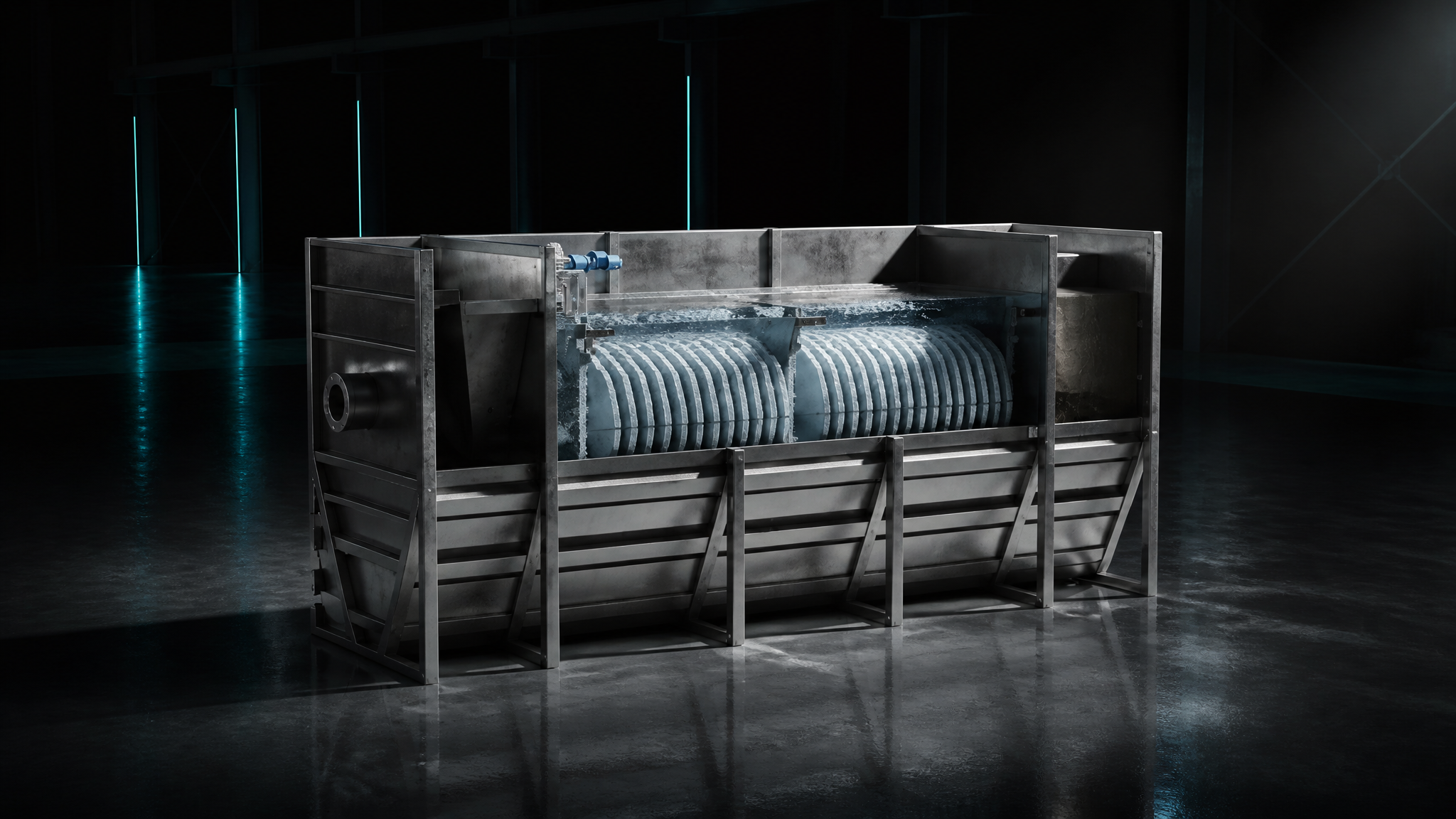
Horizontal Pile Cloth Disc Filter
Horizontal design for high flow rates and easy maintenance access
Technical dataLamella Separators
Maximum settling area on a minimal footprint
Technical dataHorizontal Pile Cloth Disc Filter
Horizontal design for high flow rates and easy maintenance access
Technical dataEngineering Hub: get this sized for your plant
Describe your goal, effluent limit or sludge volume and receive a technology shortlist plus a sizing proposal – by email, no phone call required.